Embrace the feeling of having wild Africa as your private safari playground by exploring Zimbabwe during the green season. Calves are nurtured on the plains as predators are lurking with big game concentrates in astonishing numbers before each sets off on separate migrations. Victoria Falls gushes with remarkable intensity and from December to March, there is hardly another person in sight as it is just you and some of the very best of African safari. This 10-day safari will celebrate the best of it all. As you refine your Zimbabwe wildlife tours and itinerary, consider browsing some of our other Zimbabwe itineraries for further inspiration.

Zimbabwe Green Season Safari: December to March





DESCRIPTION
TRIP HIGHLIGHTS
- Surround yourself with babies and the breeding season in Hwange as the green season is a time of abundance in Zimbabwe’s legendary national park
- Explore the thick concentrations of game found on the Ngamo Plains, a green season migration point for many of Hwange’s species
- Spend a day walking around Matobo Hills National Park to find white rhinos in the photogenic green grass
- Higher grass means that you will rarely see predators resting, so the plentiful calves will maximize your chance to witness the big cats prowling and hunting
- Watch the Zambezi River pick up speed and listen to the relentless thunder of Victoria Falls as high-water season approaches
- Take a delightful train journey through Hwange National Park, from woodland to Kalahari plains, passing elephants and giraffe on route
- Intimately connect with history and culture by spending a day amongst the rock art and traditions around Matobo Hills
TRIP AT A GLANCE
(Day 1): Victoria Falls – The Rising Waters of the Zambezi
(Day 2): Victoria Falls – Drowned by the Sounds and Sights of the Falls
(Days 3 – 4): Hwange National Park (North) – Game Drives in a Time of Babies and Breeding
(Day 5): Hwange National Park (Ngamo Plains) – A Unique Train Journey Across the Wilderness
(Days 6 – 7): Hwange National Park (Ngamo Plains) – Zimbabwe’s Thickest Concentration of Big Game
(Day 8): Matobo Hills National Park – Unique Walking Safari Through the Rhinos’ Realm
(Day 9): Matobo Hills National Park – Insightful Cultural Connections and Ancient Rock Art
(Day 10): Matobo Hills National Park to Bulawayo – Departure
DETAILED DESCRIPTION
The green season is always a time of abundance as flourishing grasses create nutritious food for the ungulates for the perfect time to raise their young. Many species breed at the same time as these young are nutured, leading to quarrels and battles between large males. Weak young calves make easy meals for the predators, and whole gangs of them patrol the plains with lions, leopards, cheetahs, hyenas, even birds of prey that come down and swoop. These months from December to March bring Zimbabwe’s most dramatic theater, and there is nobody else watching the show alongside you.
It does rain during these months, majestic and sporadic downpours that transform the landscape with fresh color. Wetland parks like Mana Pools become inaccessible, but the plains of Hwange and Matobo Hills become grand safari destinations. Over these ten days, it is highly likely that you will see it rain, but when it comes down, it does not linger long as it will usually be just a torrential hour followed by the fresh scent of profusion. This green season safari uses the camps and lodges that are least affected by the rains, and those not susceptible to random flooding. Instead, it places you center-stage in the theater that these rains create, giving you almost private access to some of Africa’s best safari.
December is the start of the green season, while March sees the highest grasses and freshest landscapes. It is certainly true that the blossoming clumps of the bush can make certain animals harder to see, and it will be hard to find lions and leopards in a state of repose. Instead, this season is when you find the carnivores out hunting, pouncing from their hiding places, harassing their new dinner buffet. As a form of protection, zebra, wildebeest and various antelopes stay away from the thickest grasses and form enormous herds, with more pairs of eyes and ears scanning for danger. Unlike in East Africa, these herds will go on to make their individual migrations, but for these few months, they are all huddled together and watched over by the predators.
This handcrafted green season safari starts in Victoria Falls, where rising water levels create immersive scenes along the river; you’ll hear and smell the world’s most powerful waterfall. Drive two hours south to Hwange National Park on day three, where game drives find elephant calfs and the breeding antics of giants. Two days in the woodland are followed by a unique train journey across Hwange, a relaxed safari interlude that brings leisurely panoramas of giraffe necks and zebra stripes.
In the southeast of Hwange, the Ngamo Plains showcase one of Africa’s great game densities. You will spend two full days amongst the herds with a lot of time to find predatory scenes, from lions and leopards to more unusual scavengers and foragers. Like the other destinations, the colors and characters also make for outstanding photography. Drive further south to Matobo Hills, a year-round destination that offers walking with rhinos and deep cultural connections. Matobo Hills will bring a complete change of pace and a place to rest and relax while continuing the safari adventure. You then fly out of Bulawayo, connecting in Johannesburg with your homebound departure. To learn more about this amazing country and what to expect, consider reading some of our Zimbabwe travel reviews from our other travelers.
ACTIVITIES
- Cultural / Cultural Activities / Educational / Landmarks / Parks / Photography / Scenic Drive / Walking Tours / Outdoors & Sports / National Park / Reserve / Nature / Outdoor Adventures / Waterfalls
THEMES
- Leisure / Educational / Photography / Relaxation / Outdoors & Sports / African Safari / Wildlife Safari
FEATURES
- Leisure / Spectacular Scenery / Unique Accommodations / Luxury African Safari Camps / Luxury African Safari Lodges
Day to Day Itinerary
PLACES VISITED
Victoria Falls, Zambezi River, Hwange National Park, Ngamo Plains, Matobo Hills National Park, Bulawayo
DEPARTURE DATES
Dates are flexible and customizable for private departures.
DETAILED ITINERARY
Day 1: Victoria Falls – The Rising Waters of the Zambezi
Sporadic bursts of thunder swell the Zambezi and its tributaries as the water levels rise and the river picks up speed to surge past your lodge on the banks. Hippos must move and relocate to pools protected by giant boulders. The trickling sound of the dry season is replaced by the sloshing of green season, especially since the water level reaches its zenith in late March. Today, you touch down at Victoria Falls International, and it is a short transfer to the lodge, followed by a relaxed afternoon on the banks to watch one of Africa’s great rivers thunder past. Baboons and vervet monkeys are regular visitors here, sometimes scampering across the grass, other times floating through the trees.
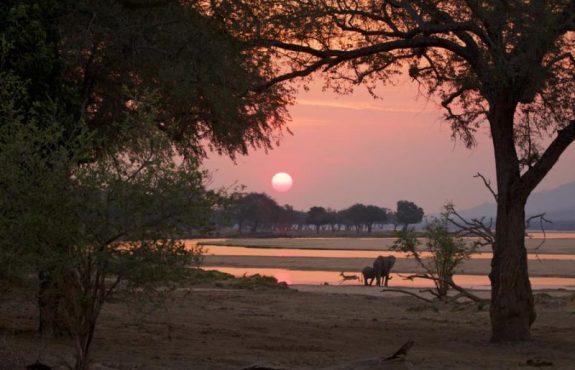
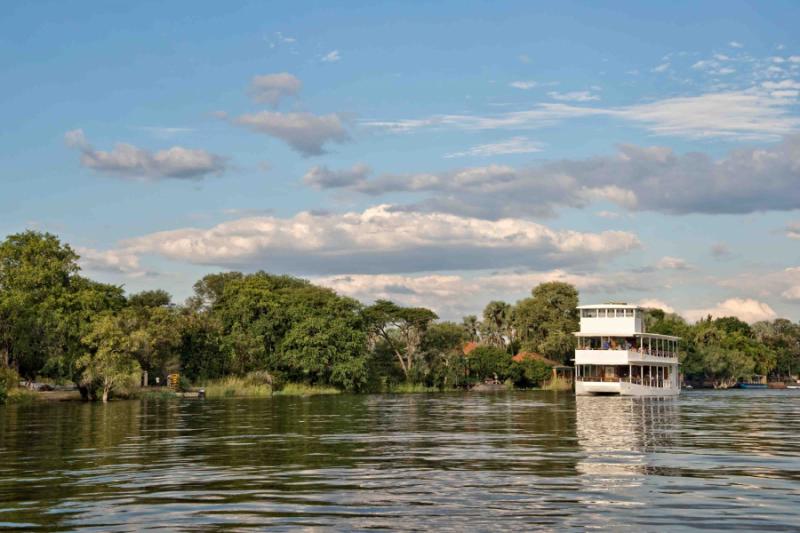
In the late afternoon, you embark a boat that cruises the Zambezi with drinks served as you go in search of hippos and crocodiles out of the water. The crocodiles do not hide in the dense reeds along the banks as they bustle their way through the green, alluring animals that continue the feeling that Victoria Falls is extremely remote. The cocktails and wines continue to flow as you explore the Zambezi at a slow pace, with a vibrant African sunset over the woodland. A three-course dinner is included on the cruise with time to relax on the river and start listening to the animals of the night as both the four-legged giants and the rowdy insects move through the evening. This sunset dinner cruise is a gentle introduction to the country and an easy way to start the wildlife experience.
What’s Included: accommodation, airport transfer, tour, lunch, dinner
Day 2: Victoria Falls – Drowned by the Sounds and Sights of the Falls
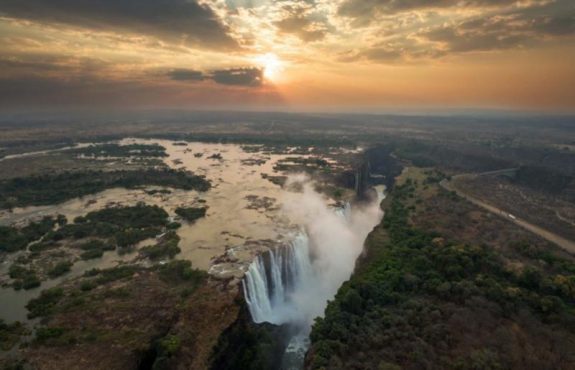
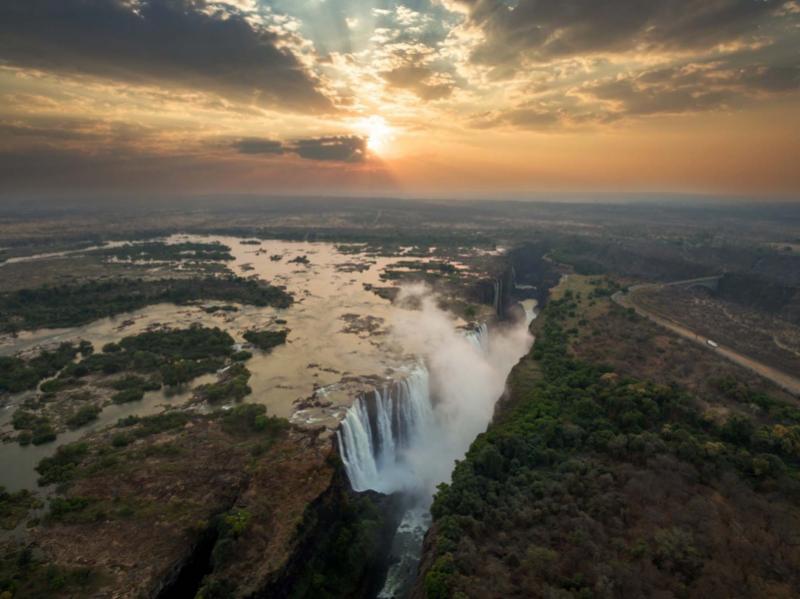
When the Zambezi bulges, Victoria Falls truly falls as water levels rise from November onwards, peaking in late March and April. It is during this time of year that you can fully appreciate the scale of this waterfall as this is the world’s largest sheet of falling water, a mile wide and over 100 meters deep. But most impressively, it is the depth of the falling water as in peak flow, upwards of 700 million liters drop into the abyss every minute. Rising from the narrow chasm is the spray, bouncing back off the Lower Zambezi, sometimes ascending in clouds that reach 400 meters above the falls. You can see and hear this spray from your lodge, and today you will stand next to it.
At first, the walking trail is sheltered with the thick bushes keeping you dry though you are almost deafened by the monotonous groan of the falls, nature’s version of an industrial power tool. As the bushes open, you will find a rainbow, curling over 270 degrees through the canyon, moving diaphanously with the spray. Keep walking, stepping onto the rocky cliffs on one side of the chasm, opposite Victoria Falls. Now the water really tumbles, thick and proud, roaring and relentless. Whole sections of the walkway are consumed by mist, and within a single second you’re soaked through, Victoria Falls raining back down on you. While this isn’t the best time to get great photos, the immersion in power is astonishing. For the aesthetics, you might consider the option of a helicopter tour.
What’s Included: accommodation, transfer, tour, breakfast, lunch, dinner
Days 3 – 4: Hwange National Park (North) – Game Drives in a Time of Babies and Breeding
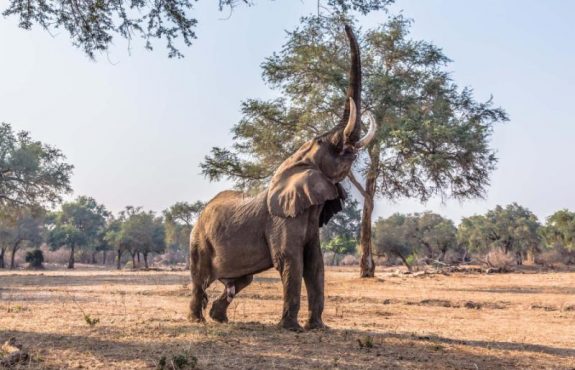
An unbroken wilderness runs along western Zimbabwe, a migratory route used by elephants that travel from Zambia, past Victoria Falls and to Hwange, the mesmerizing national park at the heart of most Zimbabwe safaris. Today’s first two hours of the drive are on a tarred road before you veer onto a rutted four-wheel drive track into the park. Travel will be slow going at this time of year, but that is part of the appeal as you will have a real sense of adventure as your Land Rover splashes through puddles and pebbles that cover the vehicle in mud. You will be going off of the beaten track, and you can feel it, especially as the nearby elephants flap their ears and stamp their feet in the trees.
The northern section of Hwange is the most visited, famed for elephant concentrations and one of Africa’s greatest diversities of mammals. Over 100 different mammals can be seen here, from rare mongoose species to chacma baboons and bat-eared foxes to large-spotted genets, eland to greater kudu. This time of year sees the grasses rise and thick bushes form for food for the grazers and hiding spaces for the predators. Fresh colors make for outstanding photos, particularly of elephants and buffalos charging through the flourishing grass. While some animals can hide, all of the prey must huddle together, choosing safety in numbers in an attempt to avoid the carnivores.
Not only is the food abundant, but it is also rich in nutrients during the green season and the best time for all manner of animals to raise their calves. Over these two days, there will be no end to the baby footsteps seen across the landscape. Reedbuck calves are small and defenseless while the newborn duiker are prey for swooping birds. Adult eland and kudu are too big for cheetahs, but their youngest are not, so over these two days you will take game drives amongst this time of abundance, following the antelopes to open plains, where the predators are waiting to pounce. While it is harder to spot lions and leopards at this time of year, it is easier to find them hunting. There are few sightings of lazy animals, so it is just two days of raw drama and animals colliding upon blankets of color.
What’s Included: accommodation, safari, breakfast, lunch, dinner
Day 5: Hwange National Park (Ngamo Plains) – A Unique Train Journey Across the Wilderness
Hwange is transforming, and you will have the best seats to see it all as your slow train rumbles through the park from north to south. Southern giraffe grace the horizon, their vibrant markings colliding with the flowering trees. Red hartebeest amble in small herds, such imposing antelope close to the tracks will engage your interest. Blue wildebeest are widely scattered, constants on this journey through the park. The Hwange train journey is one of Africa’s unique safari experiences and a chance to sit back and watch the landscape’s transformation as the woodland slips into the boundless panoramas of the plains. You will arrive in time for lunch at a new lodge on the Ngamo Plains before an afternoon game drives continue the theme of babies and breeding.
What’s Included: accommodation, safari, breakfast, lunch, dinner
Days 6 – 7: Hwange National Park (Ngamo Plains) – Zimbabwe’s Thickest Concentration of Big Game
The rains are not continuous, and it will not thunder all day, and nor does it rain every day either. High pressure builds, and the clouds unfurl in brief, yet violent, afternoon storms. You will not need to pack a raincoat because nobody can be outside at this time, so the vehicle’s pop-up roof will come down, or you will run into the shelter of the lodge. Within 15 minutes, the height of the storm will pass and usually within an hour, it is all over. Step back outside and be inhaling the fresh scent, watching impala and steenbok shaking off their fur like dogs do when they jump from a river within moments. Within two days of the storm, you will see the flowers and all manner of exotic colors spouting amongst the grass. While the brief rain interludes can be annoying, watching Africa’s plains bloom is exquisite.
Wildlife converges on the Ngamo Plains during the green season. Much like the great wildebeest migration in East Africa, massive herds gather to give birth and breed. When the calves are strong enough, they will move on, returning towards permanent water sources from April onwards. The difference with the great wildebeest migration of East Africa is that these animals move in a hundred contrasting directions, plowing their own path, rather than following the same pattern. In a single view, you can take in duiker, grysbok, impala, wildebeest, reedbuck, waterbuck, and bushbuck. Over the two days, you can get close to sable and roan antelope, plus eland, kudu, and buffalo as they are raising their calves. Unlike in East Africa, this is a congregation of diverse species, all attracted by the same bountiful grass.
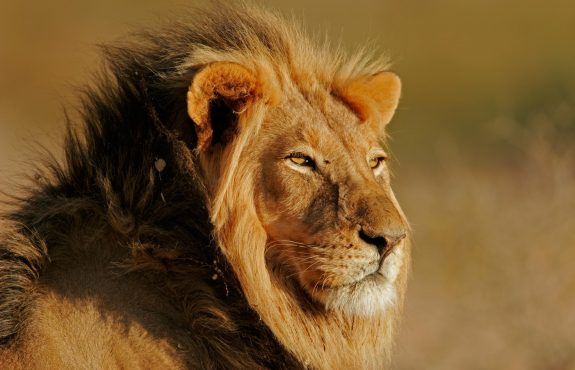
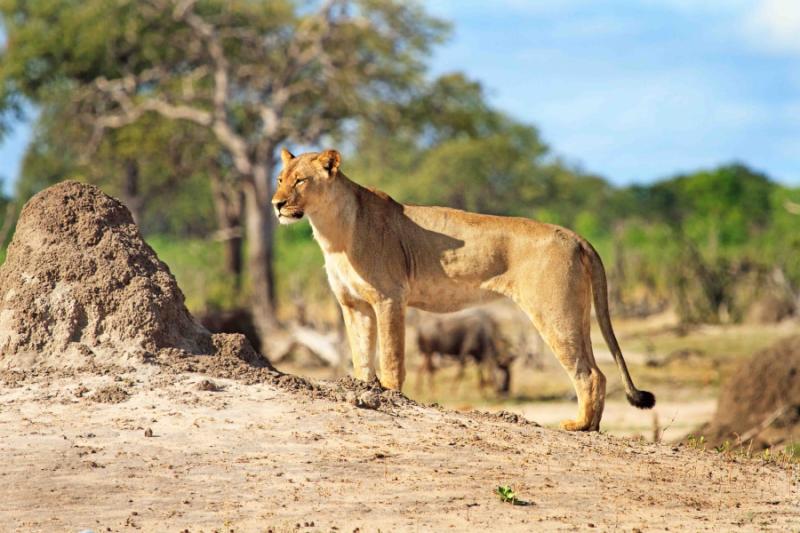
With all of this prey comes the predators with lion pride spending the day resting in the high grass, your raised vantage point allowing you a glimpse of their flowing manes. Leopards and cheetahs have many places to hide, and you are guided by sounds as baboons and birds shout vociferously, alerting all the animals to a menacing predator. Sometimes the antelope guide you to a carnivore, a herd of upturned ears indicating they suspect something is lurking. Often the best approach in the green season is to park, and then wait for the action to unfold.
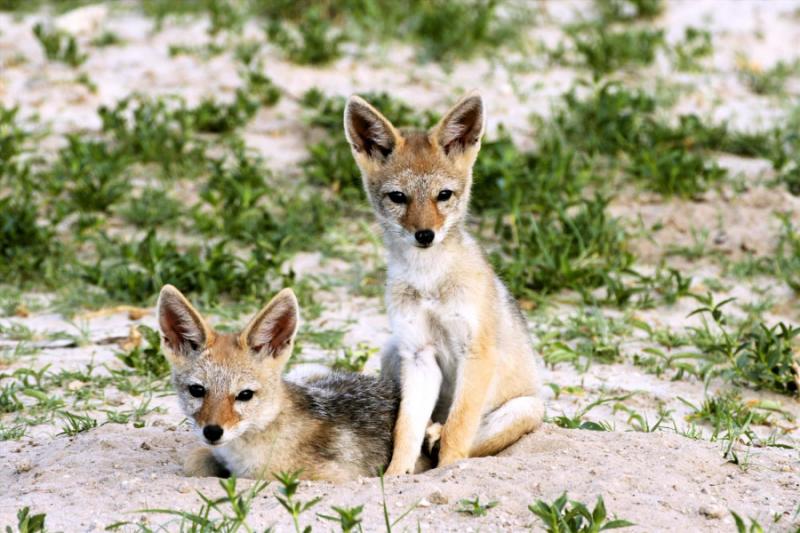
Gradually a lion pride emerges, showing itself, but simply inspecting the options for a nighttime hunt. A cheetah pounces from nowhere, a few rapid steps to a duiker calf that has strayed a little too far from the herds. Hyena roams amongst the animals, polarized between states of disinterest and vicious snarling. They are looking for the very weak, overtly searching for any herd that does not properly protect their calves behind a barrier of horns. With a kill comes the scavengers, jackals the cheekiest in looking for scraps, and vultures the telltale sign of a bloodied carcass in the grass. The focus of the game drives will be the interactions, but you will also have continued insights into the charm of safari as the giraffe and elephant wander elegantly past the camp.
What’s Included: accommodation, safari, breakfast, lunch, dinner
Day 8: Matobo Hills National Park – Unique Walking Safari Through the Rhinos’ Realm
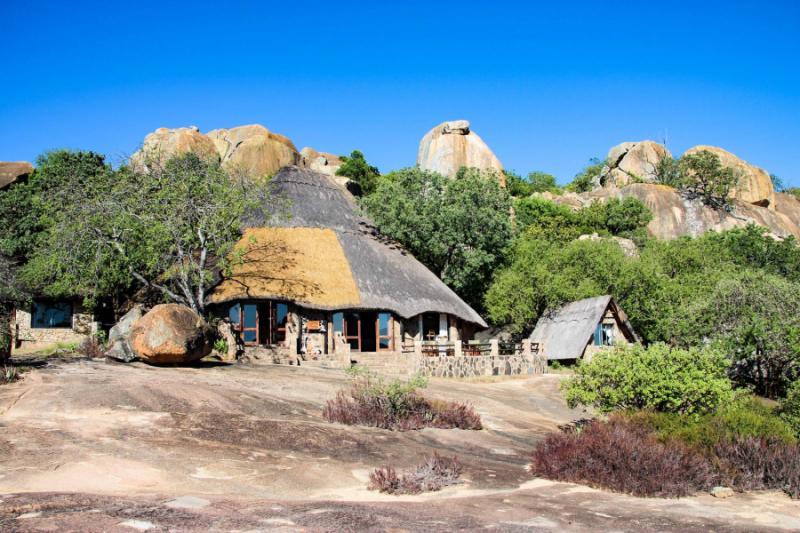
Most safari days start early as dawn is the best for predatory scenes. This morning, there will be a change in pace as you lie in for breakfast with views over the plains. You are then driven south and through Bulawayo and to Matobo Hills National Park, arriving for lunch at a luxurious lodge back-dropped by glowing red boulders. This is Matobo Hills, or the “World’s View” as Cecil Rhodes called it. The landscape enchants, and the lack of lions and elephants make it easy for walking safaris as the high grass makes them dangerous in Hwange at this time of year. And you’re not just walking with zebra and antelope, you are following the spoor of rhinos.
Creep closer, staying downwind of the giants. They rarely stir in the mid-afternoon heat, and you will be close enough to see the rise and fall of humongous bellies. Even in a prostrate position, there is no denying their size as their sharpened horn rises above a gargantuan jawline. These are white rhinos, the easiest to spot, but in the park, you will also find black rhinos, witnessed from a greater distance yet just as impressive. After the walk, you will be picked up in a game vehicle and drive back to the lodge while taking in the eclectic cast of other wildlife in the park.
What’s Included: accommodation, transfer, safari, breakfast, lunch, dinner
Day 9: Matobo Hills National Park – Insightful Cultural Connections and Ancient Rock Art
Enjoy another relaxed morning before you wander past the giraffe and rhinos, ascending to the red boulders that stand over the park. History is inscribed on the stone, paintings left behind by San bushmen scrawled into small caverns and overhangs. Each piece of rock art is a chapter in the local history book, depicting a scene, leaving a message for the next San who passed through. An expert guide helps you decipher the scenes and feel the atmosphere of a distant time, a time when tribes effortlessly coexisted with the wildlife. After lunch, your afternoon is free, and you will have the choice of a game drive or a walking safari.
What’s Included: accommodation, tour, safari, breakfast, lunch, dinner
Day 10: Matobo Hills National Park to Bulawayo – Departure
Bulawayo’s tiny airport proves very handy as you leave Zimbabwe as from here, you can catch a short flight south to O. R. Tambo International in Johannesburg where you transfer onto a homebound flight.
What’s Included: airport transfer, breakfast
Pricing
PRICE
Please inquire for a custom quote. The price is customized based on final accommodation choices, travel dates, and other custom preferences.
INQUIRE
MAKING AN INQUIRY
Most tours are customized for private travel according to your preferences and dates. Click below to tell us what you’re looking for
Book your tour now with Exposure2Wilderness & You get:
⇒ Quality service at best value.
⇒ Authentic travel experiences.
⇒ Expert destination advice.